
FL2 Flow Patterns offer design patterns that enable work to flow smoothly from the first idea to measurable impact.
At Flight Level 2, the goal is not to make people work faster. It's to design a system where work can actually flow — from the first idea through to measurable impact.
That's harder than it sounds. Coordination at FL2 means bringing together different types of work, multiple teams, upstream thinking and downstream delivery — all on one board, all at the same time. Without a good design, boards become noise. Work piles up. Priorities blur. Teams work hard and deliver little.
The FL2 Flow Patterns are a collection of design patterns for exactly this challenge. Each pattern addresses a specific coordination problem: work types that are invisible, waiting times that hide in plain sight, connections between levels that are undefined, or focus that is systematically diluted by too much in progress at once.
"At Flight Level 2 we want to understand the work as a whole and find the right levers to create a well-functioning value stream, rather than simply working faster — because 'faster' is usually the weakest lever."
The patterns are not a checklist to implement all at once. They are a vocabulary — for diagnosing what's broken, for designing something better, and for having the conversations that most coordination systems make impossible.
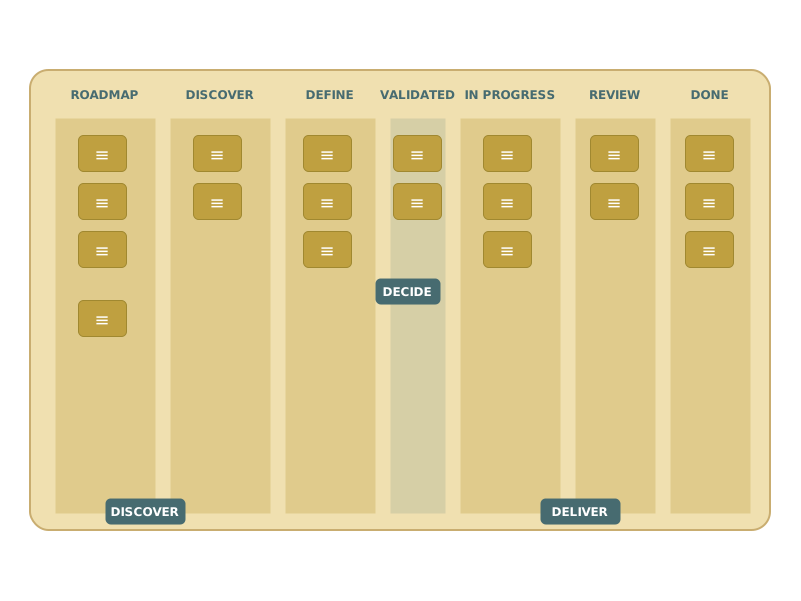
Connect Up- and Downstream pattern structures the FL2 board to provide a complete view of the value stream from idea to customer impact, facilitating end-to-end coordination among product owners and dev teams.
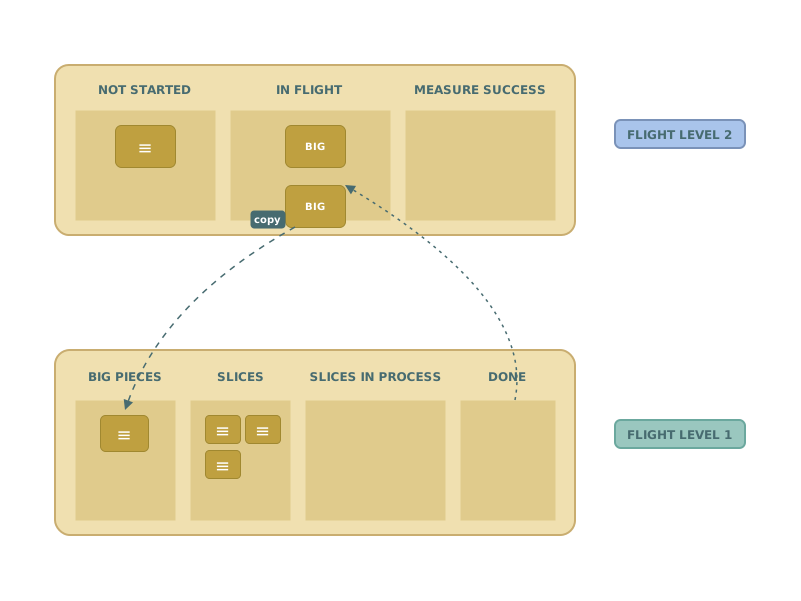
Connecting FL describes how FL2 hands work to FL1 teams and receives feedback, linking coordination with execution.
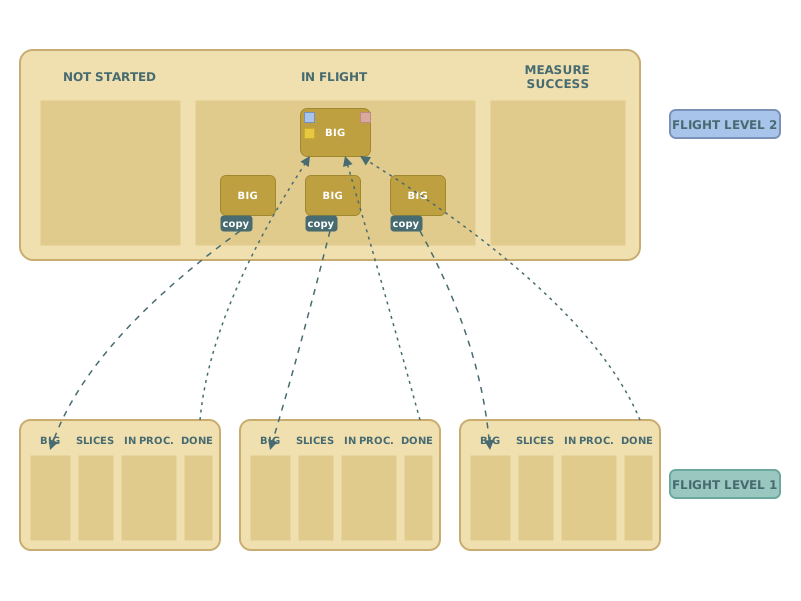
Pattern for coordinating multiple FL1 teams working on different parts of the same epic in parallel.
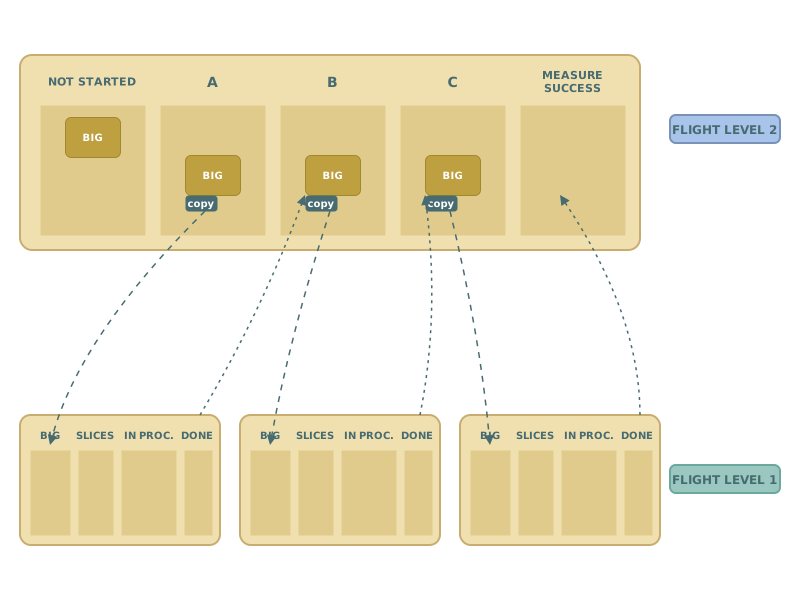
Sequential handoff pattern for FL2 teams that makes epic dependencies visible and manageable.

The pattern shows hidden waiting in “Review” steps and recommends splitting mixed columns into separate waiting and work columns to make delays visible.
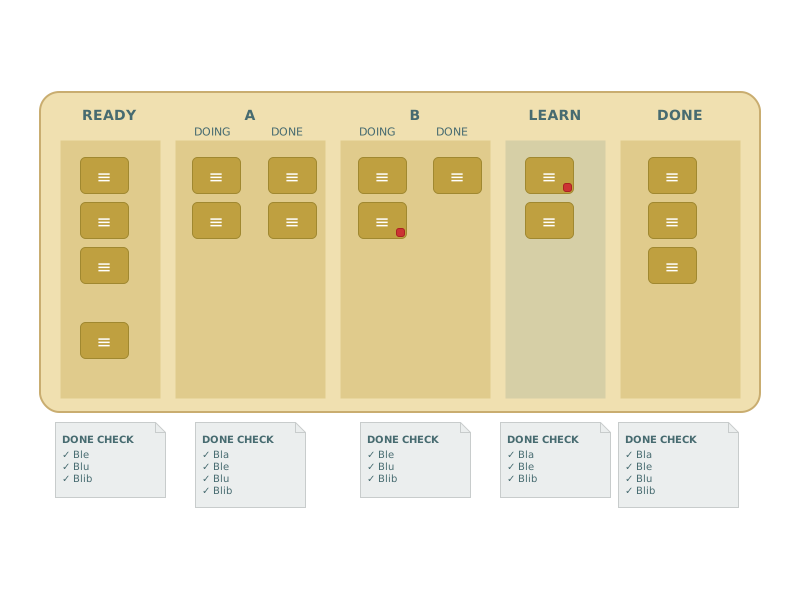
A Done Checklist defines shared quality standards for moving flight items between columns, evolving as the team learns.

FL2 Focus Explorer provides a visual representation of team availability for FL2 coordination work to improve planning and coordination among multiple teams.
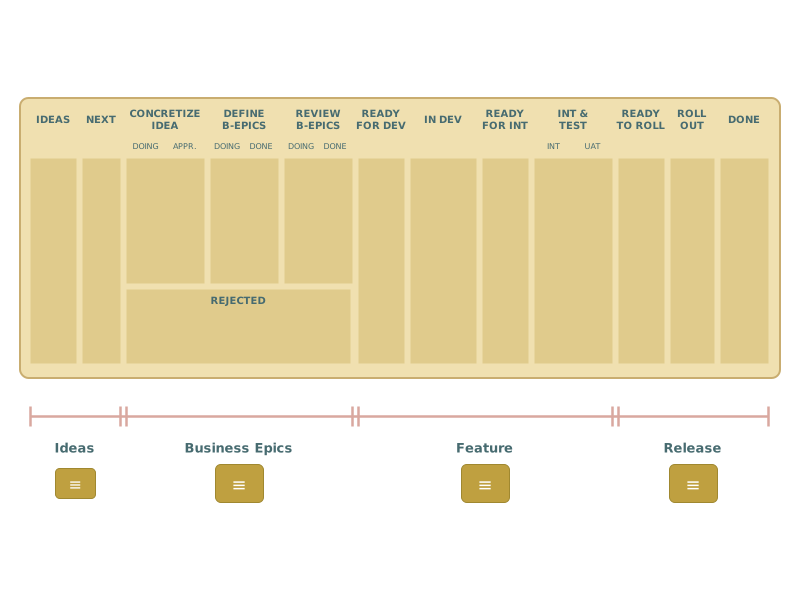
A pattern illustrating how work items evolve from ideas to initiatives, epics, features, and releases.

Hypercare is a dedicated phase between delivery and "Done" that ensures ongoing responsibility for shipped items, addressing post-release issues actively.
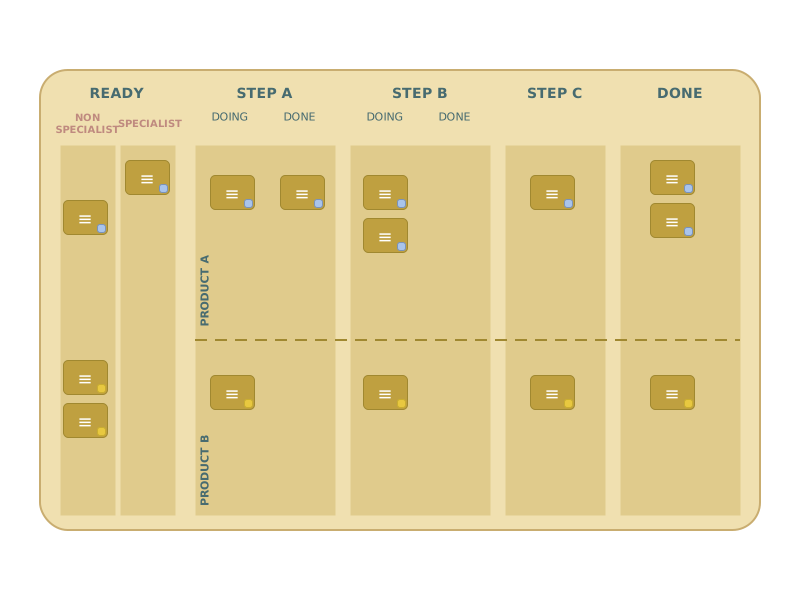
Making knowledge bottlenecks visible reveals how specialization blocks high-priority work by showing the disparity between non-specialist and specialist tasks in a shared backlog.
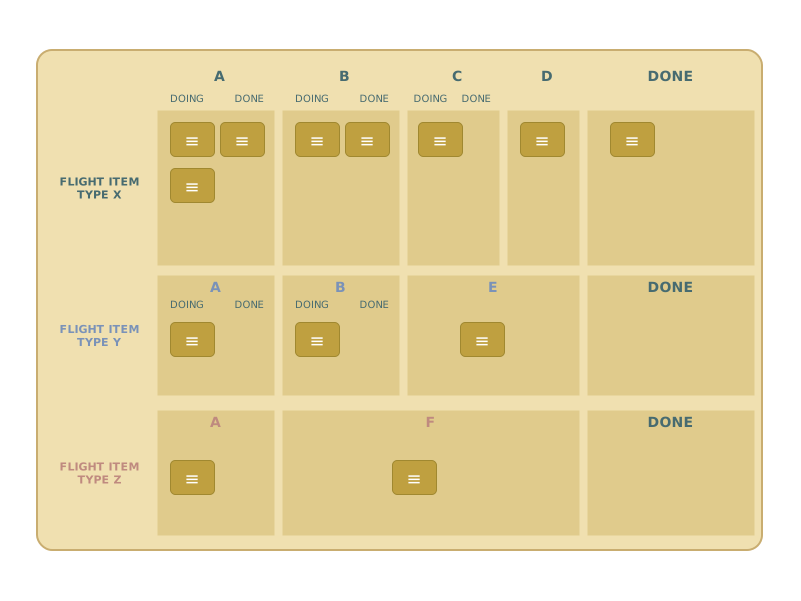
Multiple parallel flight item types enable visibility and prioritization of different work categories on a shared coordination board.
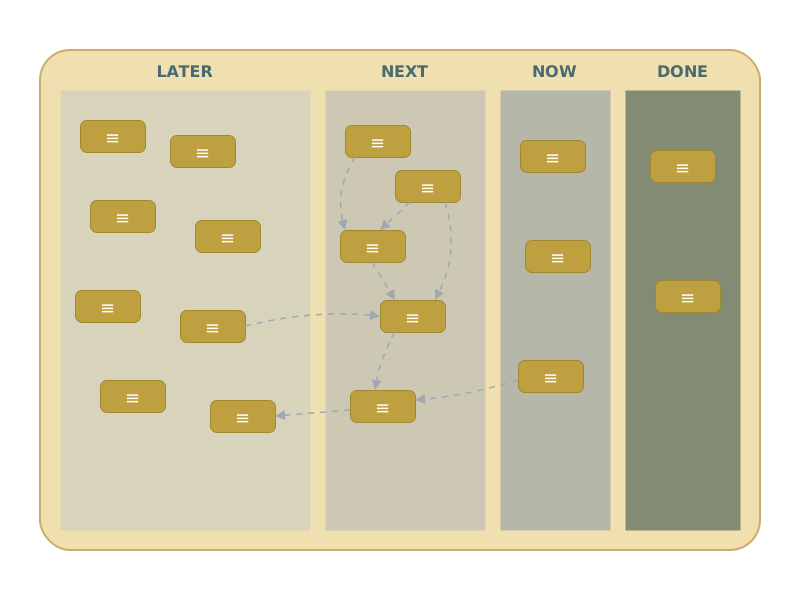
A planning pattern for uncertain workflows using three time horizons: Now, Next, and Later.

Outcome vs. Output emphasizes measuring success and impact after deployment to ensure work creates value, rather than just being completed.
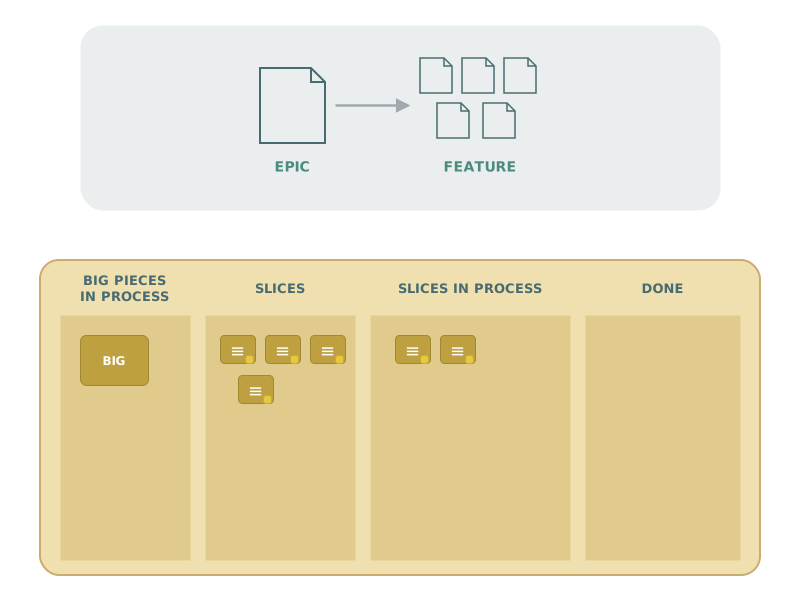
Slicing breaks large initiatives into smaller, independently movable pieces to make progress visible.
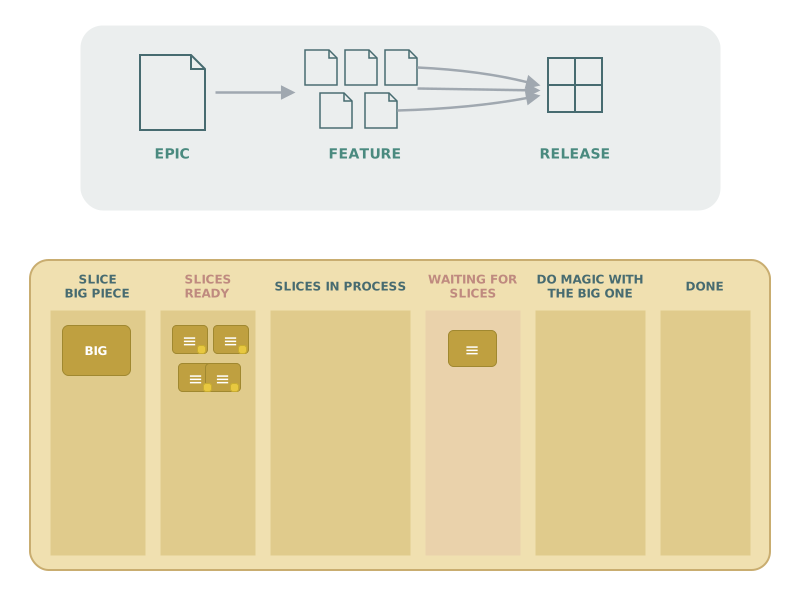
Slicing & Merging pattern enables breaking work into slices and explicitly merging them back into a releasable result.
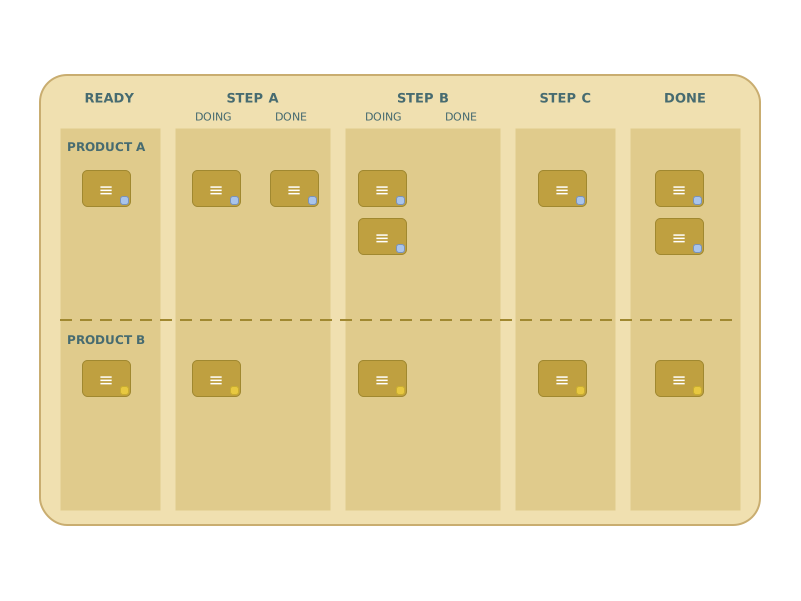
Horizontal swimlanes organize flight items by product, outcome, or category to improve visibility and manage workflow effectively.
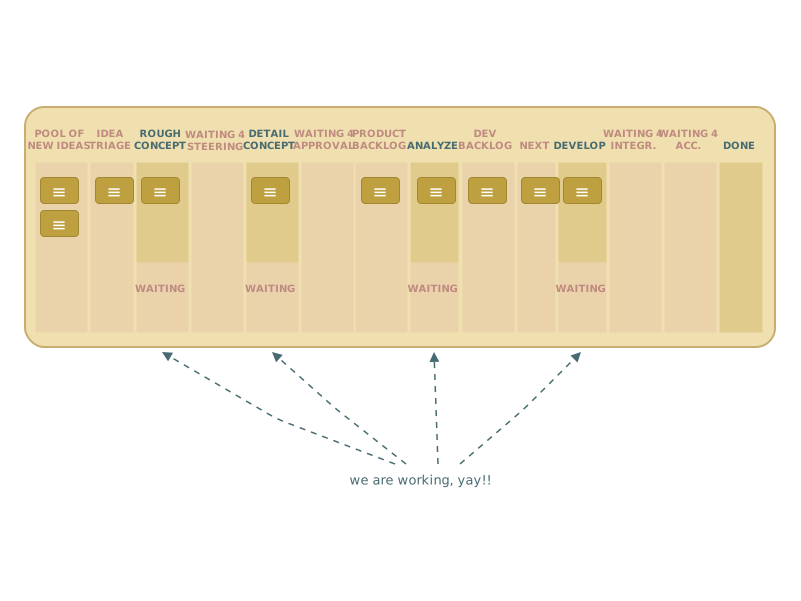
Visualize waiting times reveals that most work time is spent waiting rather than actively working.

Work of Others pattern visualizes external work on the board to manage handoffs.
Your play!
Get the cards and maps — all 18 FL2 Flow Patterns plus the new "Identify your Flow" companion map (A3 + A2 in EN, A3 in DE), ready to use in your next FL2 workshop or board design session.