Adversarial Debate is a structured three-round debate format that forces opposing arguments without agreement, useful for binary decisions and uncovering hidden arguments.

A structured 3-round debate where two sides must never agree.
Each round escalates — opening statements, rebuttals, final arguments — then a judge delivers the verdict. The positions are maintained throughout. No polite convergence.
- Forces genuinely opposing arguments instead of diplomatic middle ground
- Three rounds of escalating depth — each builds on the previous
- Independent judgment weighs the strongest arguments from both sides
When to Use
When you’re facing a binary decision and need the best case for both sides. Especially useful when you suspect you’ve already made up your mind — the debate surfaces arguments you wouldn’t generate on your own.
How It Works
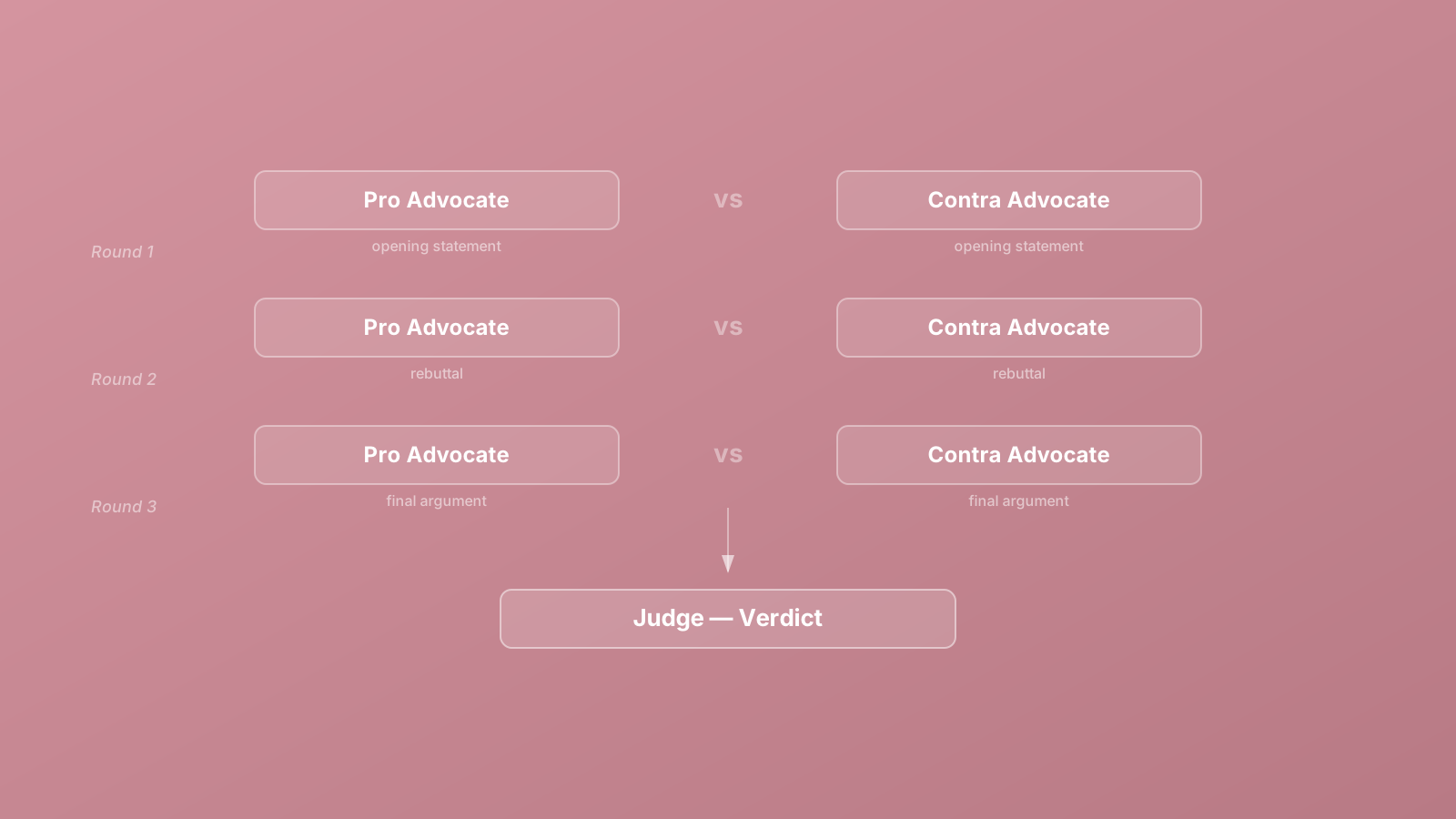
Two advocates take opposing positions on your topic and debate through three structured rounds:
- Round 1 — Opening statements: Each side presents their strongest case
- Round 2 — Rebuttals: Each side directly counters the other’s arguments
- Round 3 — Final arguments: Closing statements with the best remaining points
A Judge then evaluates the arguments from both sides and delivers a verdict — not based on who “won,” but on which arguments hold up under scrutiny.
What You Get
A clear verdict with reasoning, plus a complete record of the strongest arguments on both sides. You’ll know not just what the recommendation is, but why — and what the strongest counter-arguments are.
Related Methods
- Polarity Management — when the tension can’t (and shouldn’t) be resolved
- Six Thinking Hats — when you need more than two perspectives
- TRIZ — when you want to stress-test from the failure direction
/libertee:debate "your thesis"