Closed Door describes an organizational pattern where initiatives stall because permission and active participation are missing, leading to silent non‑response.
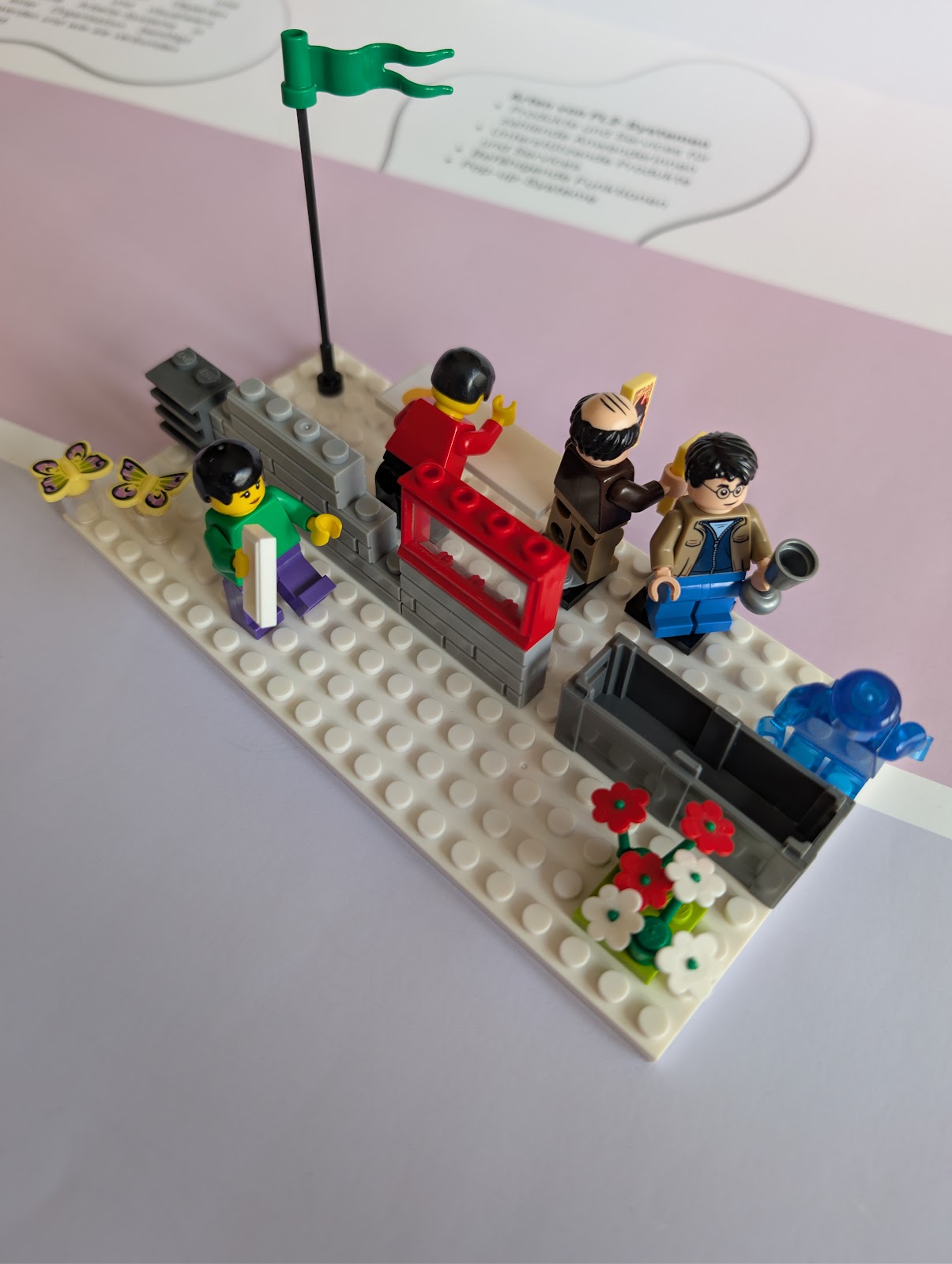
The skill is there. The will is there. What's missing is the permission.
What It Is
A pioneer in the organization spots a lever, be it FL2 discipline, an AI entry point, a market move, and wants to pull it. Skill and will are there. What's missing is permission. The organization doesn't respond. Not in conflict, not in argument, but in silence. The door isn't slammed shut. It just won't open.
To the classic triad of can/want/may, add a fourth component: being carried. Even when permission is formally granted, the move needs active participation from places the pioneer doesn't control: IT, HR, compliance, procurement, the board. Without that anchoring, the initiative seeps away. This is exactly why Closed Door is an organizational pattern, not an individual one: the person holds everything in hand except the carrying.
Three Manifestations
The mechanism is always the same (structural non-response), the consequence for the organization is not:
- The pioneer in the tanker leaves the organization, quietly, often right when their knowledge would be needed. The org loses talent.
- The pragmatist with a lever sees the chance concretely, brings in IT, gets no answer, and files the matter away. "So we're out on this topic." The org loses leverage.
- The groundwork pioneer has local backing, keeps building in their own corridor, but never reaches the next level. The org loses scale, and doesn't notice, because locally everything looks like success.
The diagnosis gets harder from first to last: the first is visibly missing, the second is just a filed-away matter, with the third everything works perfectly at the local level.
How To Spot It
- Initiatives vanish into a limbo of jurisdiction questions and unanswered emails, without a clear "no" ever being said
- Three types of gatekeepers act together: one doesn't see the necessity, one has no capacity, one isn't allowed to decide
- Above it all the green flag "everything's fine here": a friendly silence that looks like agreement
- "Ten years ago I said exactly the same things." Before AI it was Lean, before that Six Sigma. The pioneers change, the door stays put
What To Do (FL3 to FL2)
- Make the non-response visible: Apply Visualize the Situation to strategic concerns. How many initiatives have sat for months without a decision? Which proposals got no answer at all, not even a no?
- Name the gap: Closed Door is primarily an FL3-to-FL2 gap. FL3 invokes speed, FL2 lacks the discipline that turns it into decisions. First, Org Design is the counter-image, where that discipline is built
- Use outside observers: Someone who can name the pattern without belonging to the gatekeeper set breaks the friendly silence more easily
The Trap
Fighting Closed Door with change methods. Stakeholder buy-in, sponsoring, change communication all assume there's something to address: a resistance, a concern. Here there is none. There's nothing to convince, because nobody disagrees. Whoever fights against non-response tires faster than the system. AI is just the next attempt to get through the door, and without FL2 discipline it lands in the same graveyard of failed initiatives as its predecessors (Agent Sprawl is the loud version of the same omission).