Pre-Mortem Analysis enhances risk identification by imagining future failures and developing concrete prevention plans before major launches or decisions.

“Imagine it failed. Spectacularly. Now tell me why.”
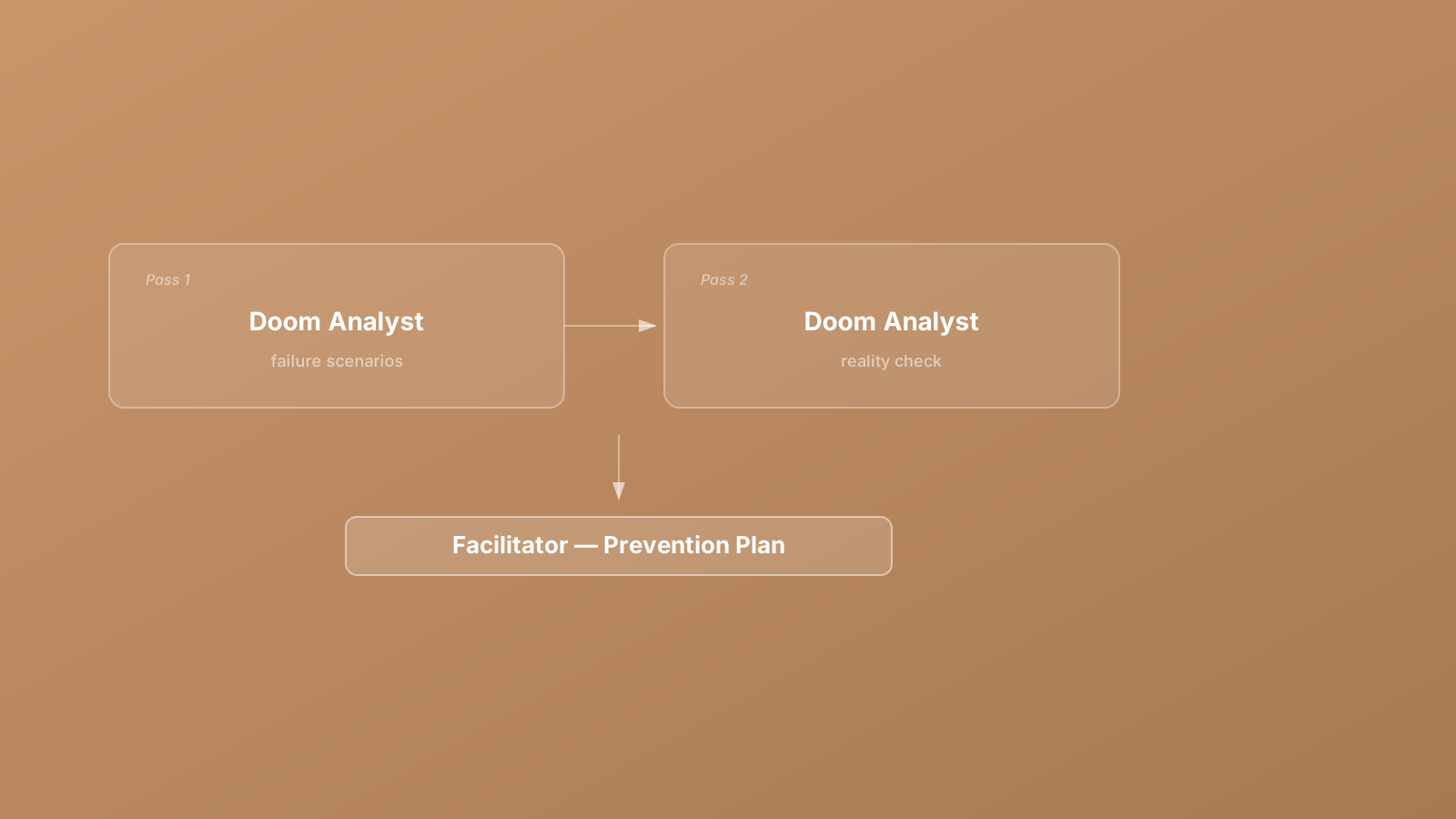
Prospective hindsight — imagining a future failure — increases risk identification by 30%. First, vivid failure scenarios. Then, a reality check on which ones are already showing early signs. Finally, a prevention plan.
- Generates failure scenarios you wouldn’t think of in normal planning
- Reality-checks which risks are already showing early warning signs
- Turns “what could go wrong” into concrete prevention actions
When to Use
Before any major launch, decision, or initiative. The Pre-Mortem works best when you have a concrete plan and want to stress-test it. Especially valuable when there’s team optimism that might be blinding people to risks.
How It Works
Two perspectives work in sequence:
- The Doom Analyst: Imagines the project has already failed and generates vivid, specific failure scenarios. Then reality-checks each one: which are already showing early signs right now?
- The Facilitator: Takes all failure scenarios and early warning signs, then builds a prevention plan — complete with the uncomfortable truth that nobody wants to hear.
What You Get
A ranked list of failure scenarios with early warning signs, a concrete prevention plan, and a clear statement of the biggest risk that’s most likely being ignored. You’ll leave with specific actions, not vague worries.
Related Methods
- Disney Creative Strategy — when you want to dream first and stress-test second
- TRIZ — when you want to approach failure from the reverse direction
- Six Thinking Hats — when you want a broader view that includes risks
/libertee:pre-mortem "your project or plan"