Meta-Cognitive Checks provide three reflective methods (Bias Check, Frame Check, Method Check) to analyze cognitive biases, question framing, and method limitations after any decision-making session.

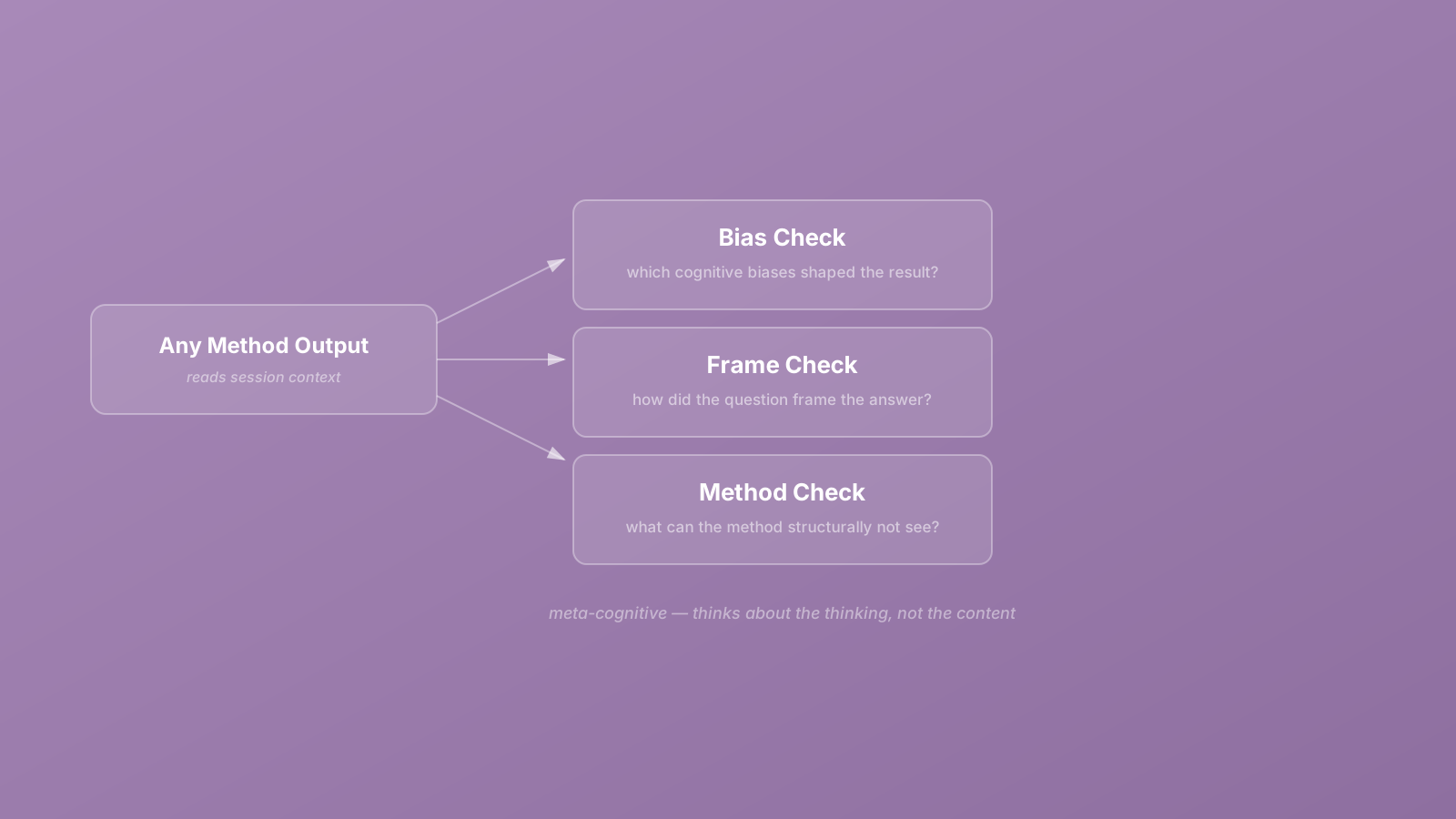
Methods think about content. Meta-checks think about the thinking.
Three lightweight reflections you can run after any method. They read what happened in your session and examine what shaped the result — not the result itself.
- Bias Check: What cognitive traps made you trust the result too easily?
- Frame Check: How did the way you asked predetermine the answer space?
- Method Check: What can the method you used structurally not see?
Bias Check
What cognitive biases are at play?
Maps 3-4 cognitive biases to concrete moments in the session, then asks one uncomfortable question that challenges the conclusion. We all have biases — the Bias Check makes them visible.
When to Use
After any method where you found yourself nodding along too easily. If the result confirmed what you already believed, that’s exactly when you need a Bias Check.
What You Get
A map of specific biases tied to specific moments in the session, plus one uncomfortable question you should sit with before acting on the results.
Frame Check
How did your question shape the answer?
Every question contains assumptions. “Should we build or buy?” assumes those are the only options. The Frame Check identifies framing effects in your original question and offers one reframe that opens up what the original wording closed off.
When to Use
When you suspect the question itself might be part of the problem. Especially after debates or decisions where the options felt artificially constrained.
What You Get
An analysis of how your framing influenced the session, plus one alternative question that would have opened different — and potentially more useful — territory.
Method Check
What can this method structurally not see?
Every method has a shape — and that shape has blind spots. Six Thinking Hats separates perspectives but can’t create genuine opposition. Debate creates opposition but can’t explore more than two sides. The Method Check identifies these structural limits and suggests one complementary method to cover the gap.
When to Use
After any method, especially if you’re planning to act on the results. Understanding what the method CAN’T see helps you decide if you need another perspective before moving forward.
What You Get
An analysis of the structural limitations of the method you used, plus a concrete suggestion for a complementary method that would cover the blind spot.
Chaining Meta-Checks
Meta-checks are designed to be chained after any method:
- Run a method → Bias Check (are you being fooled?)
- Run a method → Frame Check (was the question right?)
- Run a method → Method Check (is this method enough?)
- Run a method → All three (full meta-reflection)
/libertee:bias-check
/libertee:frame-check
/libertee:method-check