AI transforms implementation work into review, orchestration, and accountability loads, leading to hidden burnout.
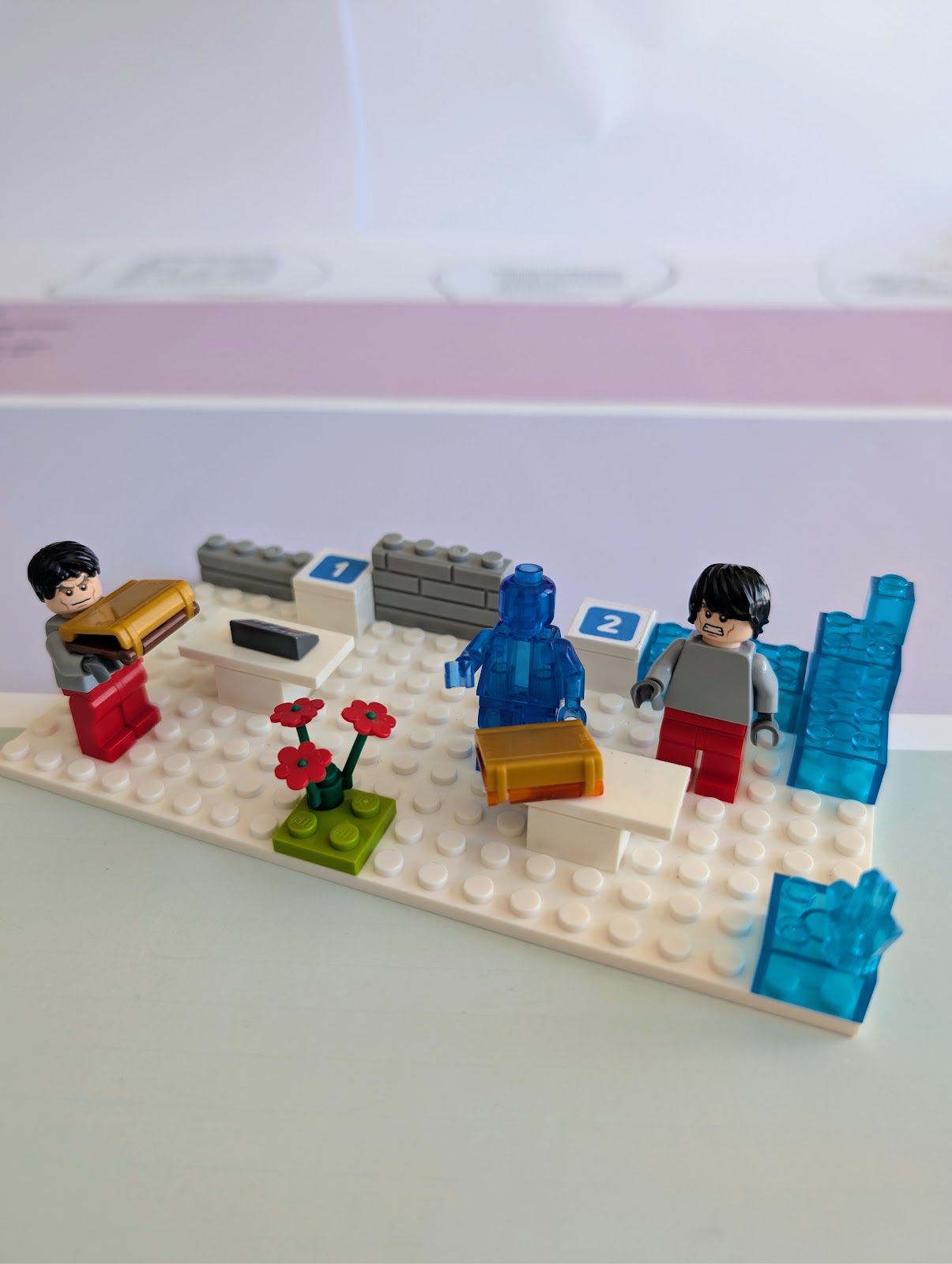
Hands free, head heavy. The implementation load doesn't disappear, it transforms.
What It Is
AI takes the implementation load: writing code, drafting text, producing designs. The energy that frees up doesn't come back as "time gained", though. It comes back in a new form. Anyone who has worked with AI for three months knows the effect: stress level is back where it started. Work didn't shrink, it just moved into a different cognitive mode. From doing to checking. From writing to selecting. From executing to being accountable.
The implementation load transforms into at least three new loads:
- Review load: Checking output is exhausting in a different way than producing it. Code, text, design alike. The AI can generate plausible-sounding nonsense, and the human has to stay on top of the output flood, especially near the Jagged Frontier, where the AI can be plausibly wrong.
- Orchestration load: What do I delegate, what not? Which prompt? Which agent for which task? Meta-work, cognitively demanding, and it comes on top of the actual job.
- Accountability load: My name is on artifacts I didn't write. When the AI errs, the human still carries the consequence.
METR's randomized study (2025, experienced open-source developers) found: AI made them 19% slower, even though they believed they had been faster. Review and correction ate the implementation gains.
How To Spot It
- People report being "tired differently": less hands-on-keyboard exhaustion, more eyes-and-decisions exhaustion
- Output volume rises, perceived workload stays flat or climbs
- Stress shifts from "I have to do this" to "I have to verify the AI did this correctly"
- Tight loops with the AI (Elastic Loop) feel especially draining, because the review load runs without a break
What To Do (FL1 - Team Level)
- Calibrate the expectation: AI doesn't bring "less work", it brings "different work". Say it out loud, otherwise frustration accumulates in the wrong place
- Elevate review skill: Who reviews the AI well? That role gets more valuable, not the fast typist
- Treat orchestration as a discipline: Prompt design, agent choice, sequencing are work, not "it'll just happen"
- Surface the load: The new load is invisible, which is exactly why it burns people out faster. Watch for it in retros and 1:1s
The Trap
Setting "AI brings relief" as an org-wide expectation while simultaneously raising output expectations. The freed-up implementation time doesn't become rest, it becomes more tickets. Scaled across the organization, a new kind of burnout emerges, harder to see than the old one because hands are empty. Without an FL3 lens on this (Humans Above the Loop), people are lost more quietly than before.