
Agile Interactions shows how purposeful interactions, not meetings, drive work flow.
Boards don't make decisions. Boards don't move work. People in interactions do.
The core principle: the right people talk about the right thing at the right time. Not more meetings — better interactions. Every interaction has a clear purpose, produces a defined outcome, and serves the flow of work.
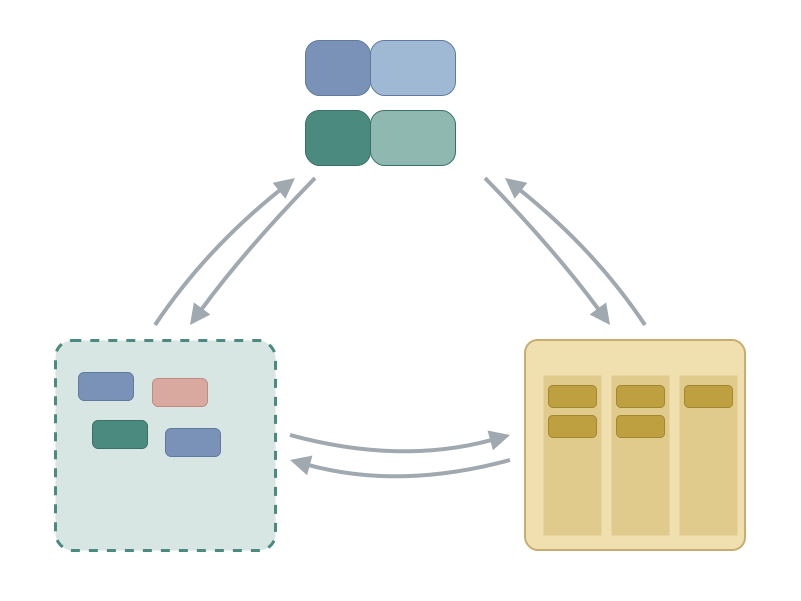
The fundamental shift: don't start with meetings, start with Interactions. An Interaction is a specific, purposeful exchange tied to a point in the workflow. Interactions are like building bricks — individual pieces that can be combined into different structures. A meeting is just one possible container. Interactions determine meetings — not the other way around.
These 11 patterns are recurring design elements for building an effective interaction system. Five structural patterns describe what to design. Five approach patterns show how to design it. One meta-pattern addresses when interactions should trigger.
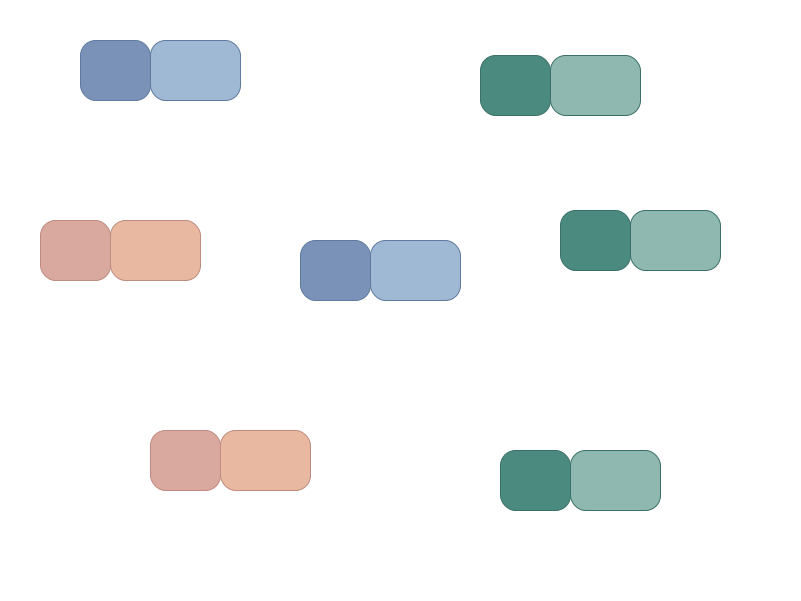
Interactions define needed work exchanges to design purposeful meetings.
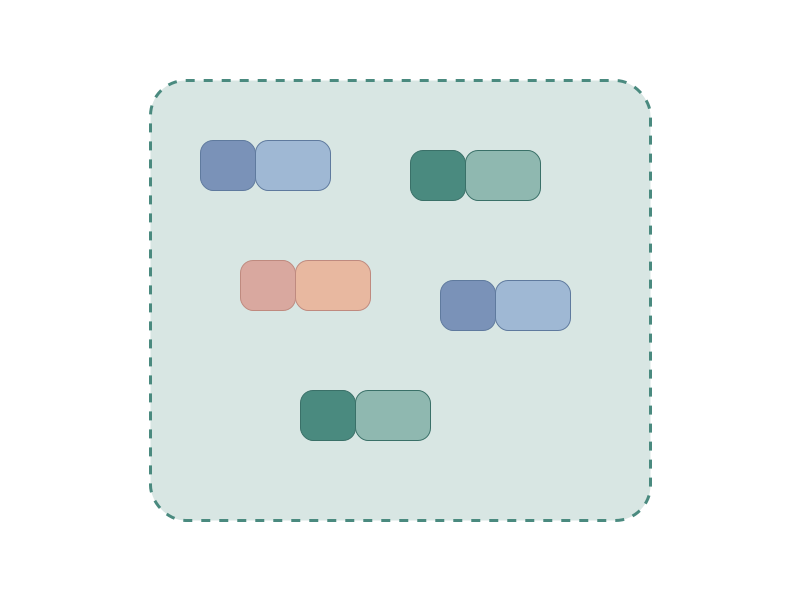
Meeting Containers bundle related interactions by shared participants, sequential dependencies, or common purpose to make meetings more efficient.
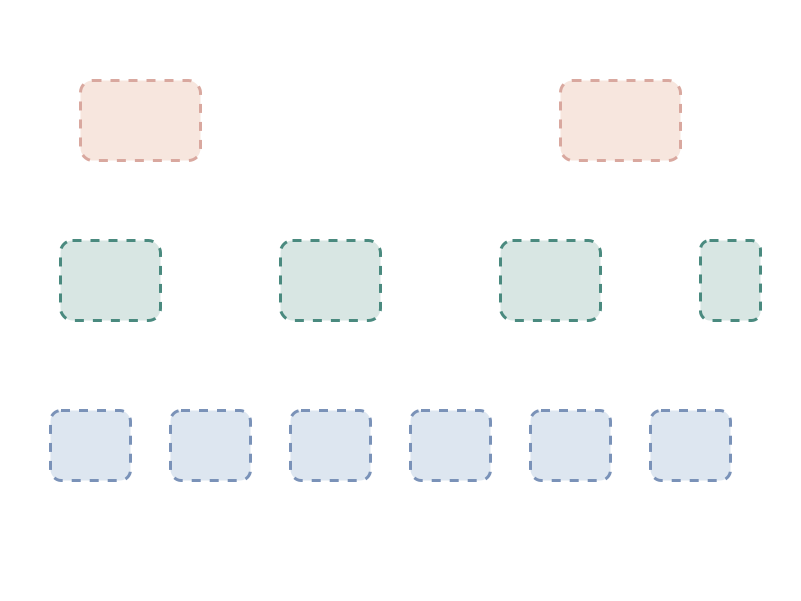
Meeting Cadence defines deliberate, level‑specific interaction frequencies and nested cycles for effective communication.
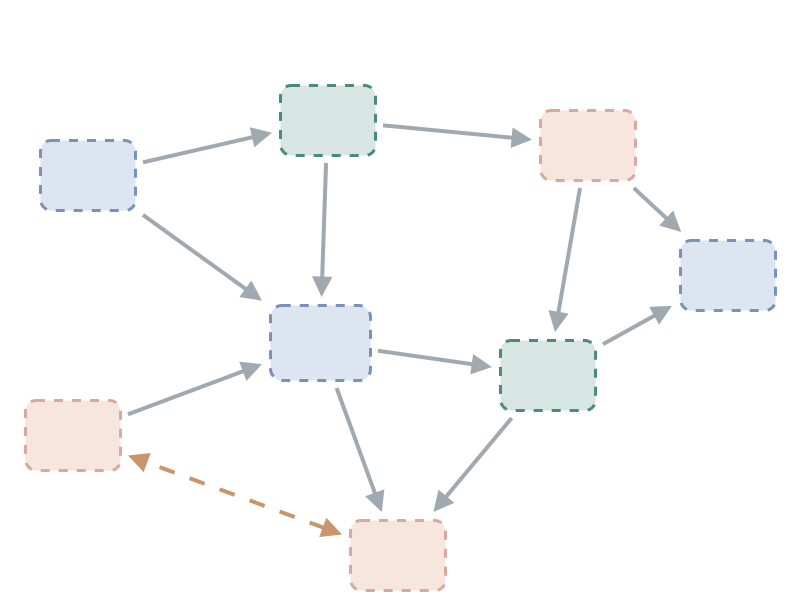
The Interactions Network illustrates how information flows between meetings, emphasizing connections and feedback loops across different levels of an organization.
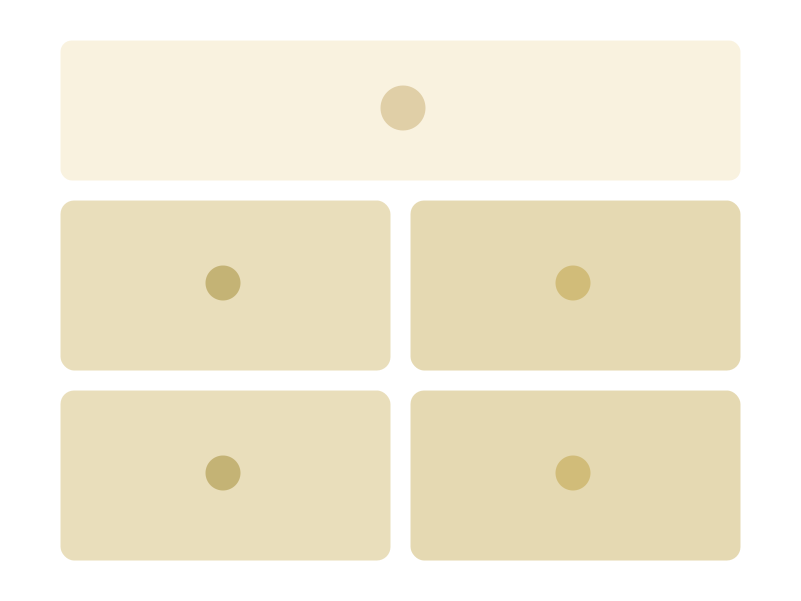
The Meeting Canvas defines meeting purpose, outcomes, decisions, participants, and inputs to ensure clear, effective meetings.

A framework to assess the coherence of interaction design via five thinking‑lens dimensions.
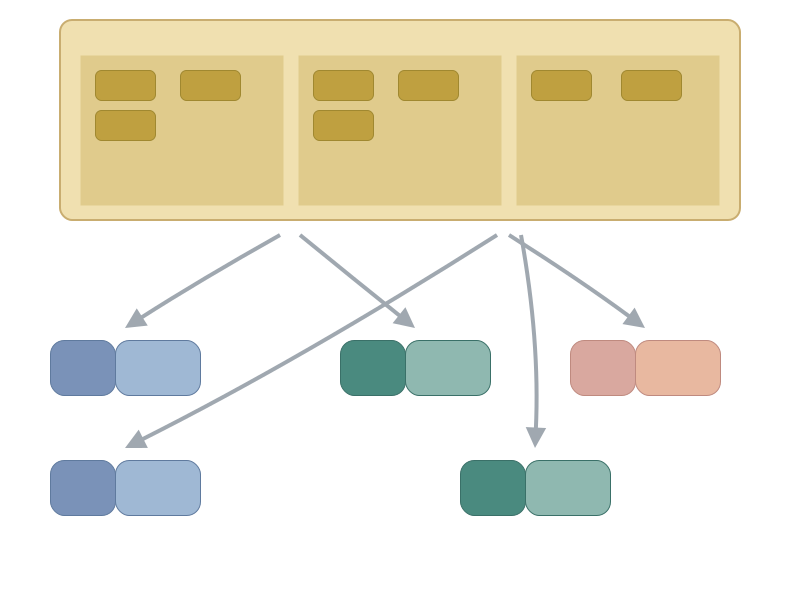
Identify needed interactions at board coordination points and bundle them into meeting containers.
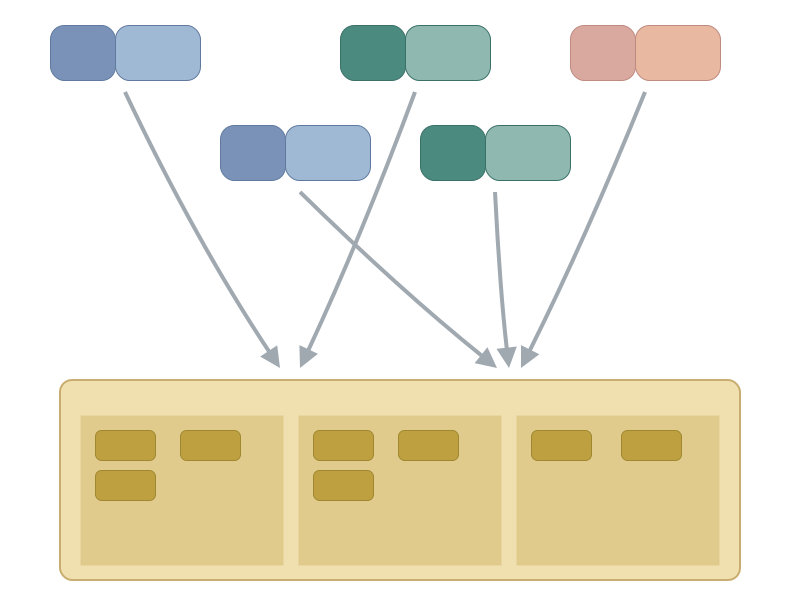
The board visualizes interaction outcomes, turning decisions into a living record visible to the team.
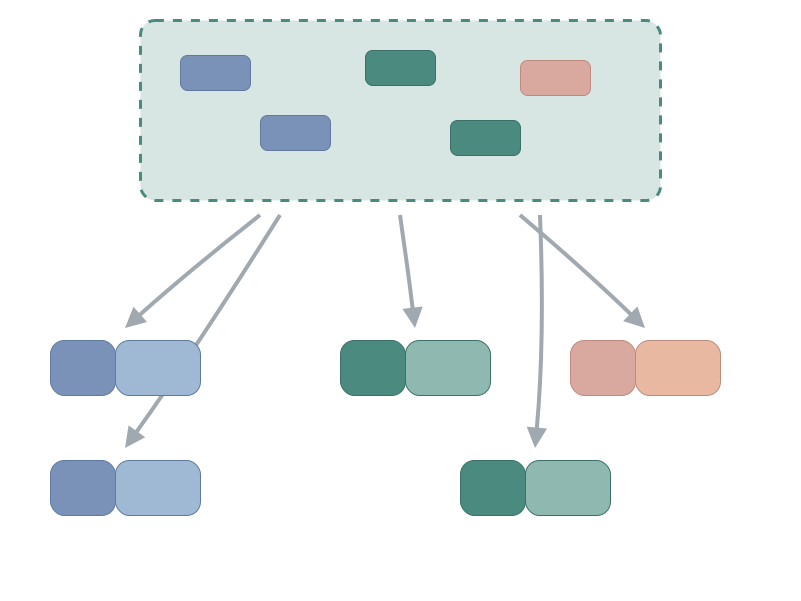
Analyzes existing meetings to identify actual interactions, purposes, and problems for purposeful redesign.
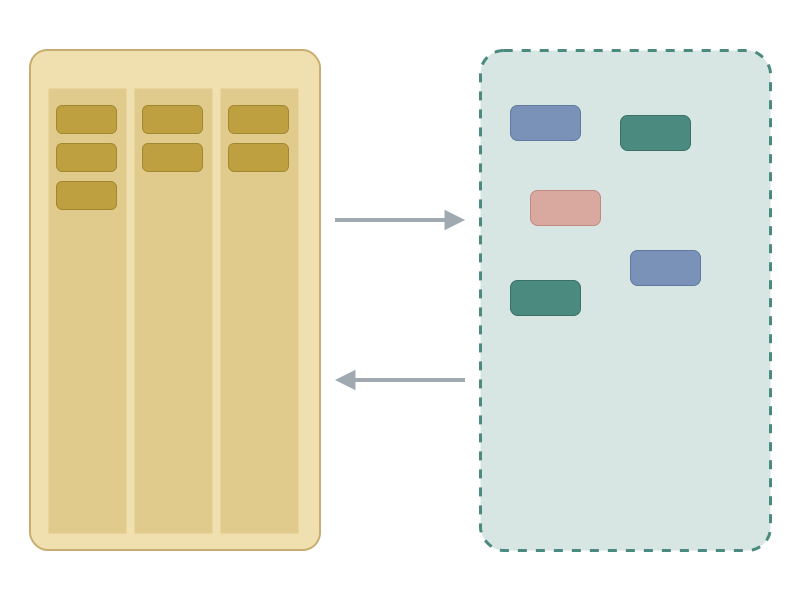
Board ↔ Meeting Alignment explains how board structures and meeting systems co‑evolve to shape each other.

Interaction Triggers explains how cadence, board/external, and hybrid triggers cause interactions by combining time‑based and event‑based cues.
Your play!
If you want to use this in your worksystems-design sessions, here is all the material you need.
More about this
These patterns are part of the Flight Levels thinking and design model. If you want to learn more, take the Kick start path to Flight Levels Now!